
How to Protect Your Hawaii Vacation Rental (Without Sacrificing Performance)
Five Proven Strategies to Minimize Damage and Protect Long-Term Asset Value
One of the most common concerns I hear from buyers and owners of Hawaii vacation rental properties is whether short-term guests will damage their home.
While the most conservative approach is not renting at all, that is rarely the objective for owners purchasing income-producing properties. The real question is how to maximize rental income while protecting the condition, integrity, and long-term value of the asset.
This article outlines the real-world systems and standards we use to minimize damage, protect owner interests, and ensure that Hawaii vacation rentals are treated with respect—by guests and operators alike.
Article Context
This article is written by a Maui-born real estate advisor licensed in 2006 and vacation rental operator with more than a decade of hands-on experience managing professionally operated Hawaii vacation rental properties. It reflects practical strategies used to protect property condition, reduce operational risk, and preserve long-term asset value for off-island owners.


Property Enhancements That Protect the Asset and Improve Returns
One of the most overlooked forms of asset protection is thoughtful design and furnishing.
MPP offers full consultations on property enhancements through our in-house professional designer, who works with owners on:
- Furniture selection and durability
- Layout and flow
- Staging and presentation
- Finishes that perform well under guest use
The goal is not just aesthetics, but longevity, functionality, and ease of maintenance.
I also have fantastic relationships with general contractors to conduct comprehensive remodel projects and/or a network with speciality sub-contractors depending on the scope of work.
We consistently see meaningful improvements after targeted enhancements—both in personal enjoyment and financial performance. In some cases, properties experience 15–25% increases in revenue post-enhancement, along with fewer maintenance issues and stronger guest reviews.
Well-designed homes are treated better, photograph better, and perform better.
Present the Property as an Owner’s Home Away From Home
We have found that the way a property is presented—both before arrival and during a guest’s stay—has a direct impact on how it is treated.
During the pre-arrival process and, when appropriate, in-person greetings, we emphasize that the residence is a real home owned by individuals who care deeply about it. When guests feel a sense of empathy and connection, they are far more likely to respect the property.
This approach helps prevent damage by shifting the mindset from “temporary lodging” to “someone’s home away from home.” We implement this strategy across all properties we represent.
Hospitality research consistently supports this principle: guests are more conscientious when they perceive personal stewardship rather than anonymous ownership, a concept reinforced in academic work from institutions such as Cornell University’s School of Hotel Administration.
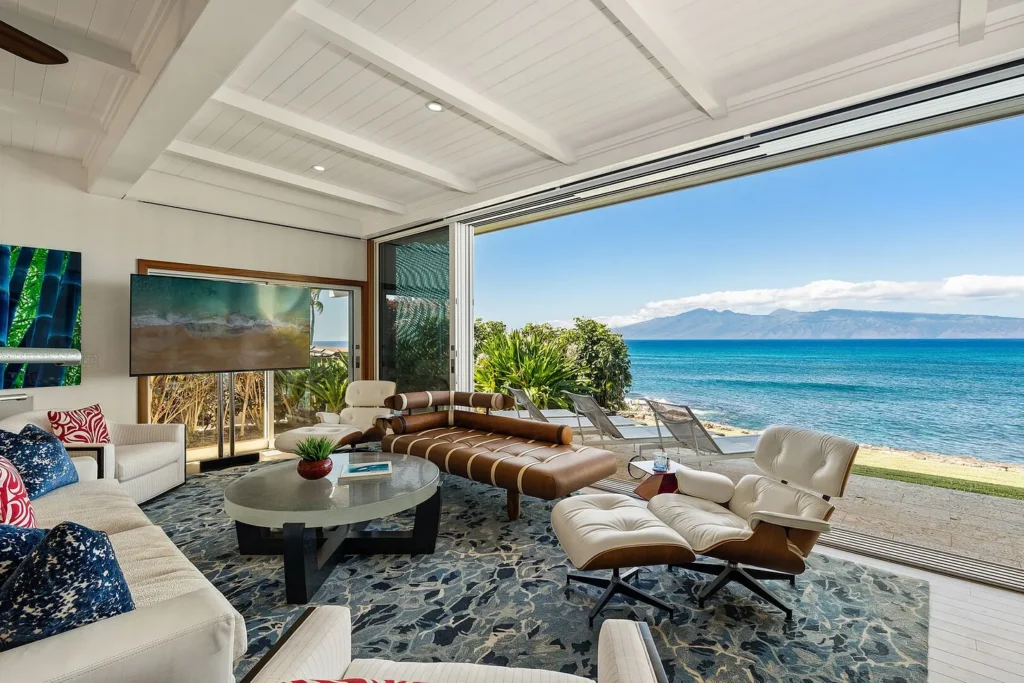
We want our owners and guests focused the views and experience, our team takes care of the nitty gritty details- Alaeloa #28 (above), one of our newest and most spectacular Luxury Offerings lives here- Alaeloa #28 on MPP Vacations.
Maintain Top-Tier Property Condition and Preventative Maintenance
Condition matters.
A well-maintained property sets a clear expectation that it should be returned in the same state in which it was received. We adhere to strict cleaning and maintenance standards, including detailed checkout procedures and clear expectations for guests.
Preventative maintenance plays a critical role in asset protection. With owner coordination, we:
- Perform regular appliance and systems checks
- Conduct touch-up painting in high-traffic areas
- Recommend scheduled deep cleanings and carpet care
- Address small issues before they become costly problems
We also encourage owners to invest thoughtfully in upgrades—appliances, furnishings, and targeted enhancements—that improve both guest experience and long-term durability. Well-cared-for properties are consistently treated better by guests.
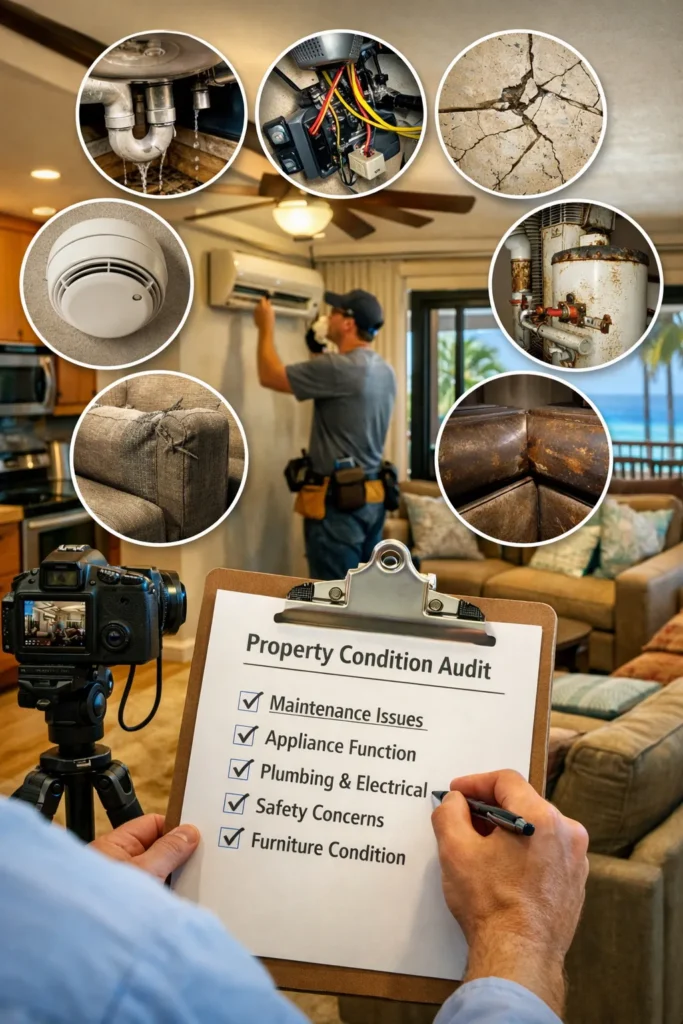
Use Detailed Property Inventory Audits
Missing or damaged items are rare when expectations are clear.
Each property is equipped with a detailed inventory list outlining what is provided in the residence. This serves multiple purposes:
- Helps guests locate items easily
- Sets expectations for what should remain in the home
- Reduces misunderstandings at checkout
Owners are encouraged to equip properties as true homes—not hotel rooms—without unnecessary extravagance. Upon checkout, guests are asked to notify us if anything is missing or damaged so issues can be addressed promptly and transparently.
We have incorporated many of our best experiences through years of refinement and also being members of organizations like the Vacation Rental Managers Association.
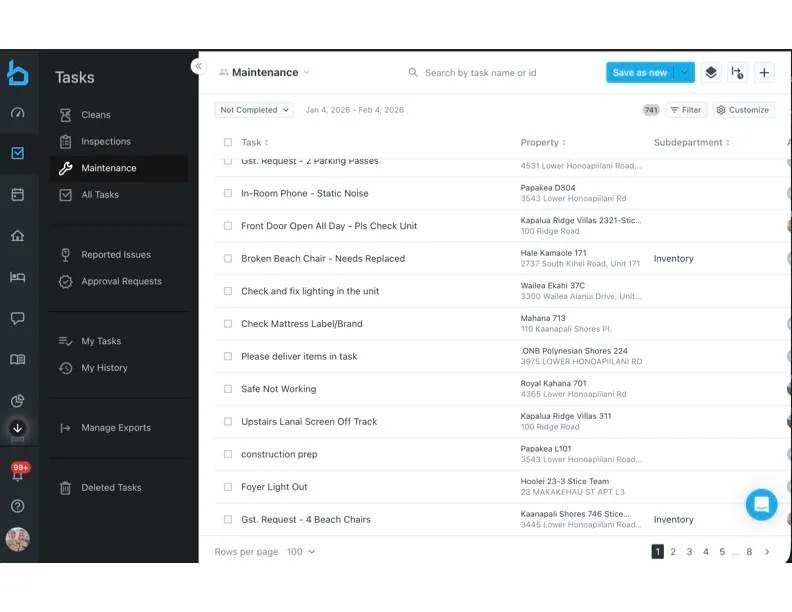 Just another day in the life of Breezeway and the MPP Vacations Team. Breezeway is is built for the teams in the field doing the work and the managers coordinating every detail. With smart AI-powered tools, they help us automate our operations, coordinate teams, and ensure every job gets done right.
Document Property Condition Immediately After Guest Departure
Documentation is one of the most powerful asset-protection tools available.
Using Breezeway and structured inspection workflows, we photograph properties immediately after guest departure to document condition, damages, or missing items. We then photograph the property again after housekeeping and final inspections are complete.
This process:
- Protects owners from undisclosed damage
- Protects operators from unwarranted guest claims
- Substantiates responses to negative or inaccurate reviews
- Creates accountability at every stage of turnover
Clear documentation minimizes disputes and ensures that facts—not assumptions—guide resolution.
Implement Strong Damage Protection Systems (Not Refundable Deposits)
Rather than relying on refundable damage deposits, which many booking platforms discourage and which can complicate the guest experience, we self-insure properties with robust internal protection systems.
Third-party damage insurance policies often prove difficult to collect on and can create a false sense of entitlement among guests. In contrast, professional documentation, clear agreements, and consistent enforcement provide stronger protection with fewer conflicts. You can further research this here Insurance Information Institute
This approach prioritizes prevention over recovery—reducing incidents before they occur rather than chasing claims afterward.
Key Takeaways for Hawaii Vacation Rental Owners
- Guest behavior improves when properties are presented as real homes, not hotel inventory
- Preventative maintenance reduces long-term damage and replacement costs
- Inventory audits and inspections protect both owners and operators
- Technology-enabled documentation minimizes disputes and negative reviews
- Professional asset-protection systems outperform refundable damage deposits
Frequently Asked Questions About Protecting Hawaii Vacation Rentals
Most damage is minor and preventable when proper systems, inspections, and expectations are in place. With this being said, there can be some really bad apples so to speak so it is imperative to have the right systems in place to protect your asset.
In many cases, no. Professional self-insurance and documentation systems are more effective and guest-friendly. Collecting on refundable damage deposits has proven very difficult, often with low success rates.
Through inspections, preventative maintenance, inventory audits, and clear documentation before and after each stay.
Yes. Owners living thousands of miles away rely on systems, reporting, and accountability to protect their investment. You generally get what you pay for- low cost operators often experience a myriad of problems and look for more long term solutions after experiencing this angst.
Final Thoughts
Purchasing a Hawaii vacation rental property can be a rewarding investment when approached thoughtfully. With the right systems, expectations, and professional oversight in place, owners can protect their homes while enjoying consistent performance and peace of mind.
Protect the asset first. Performance follows.
If you are considering buying or selling a vacation rental property, I work with clients through Compass Real Estate to provide fiduciary-based guidance around value, zoning, and long-term strategy.
If you already own—or are considering ownership—and are seeking full-service, white-glove vacation rental management, our team at Maui Paradise Properties is built to protect assets and support owners for the long term.
I’m always happy to be a resource.
About the Author
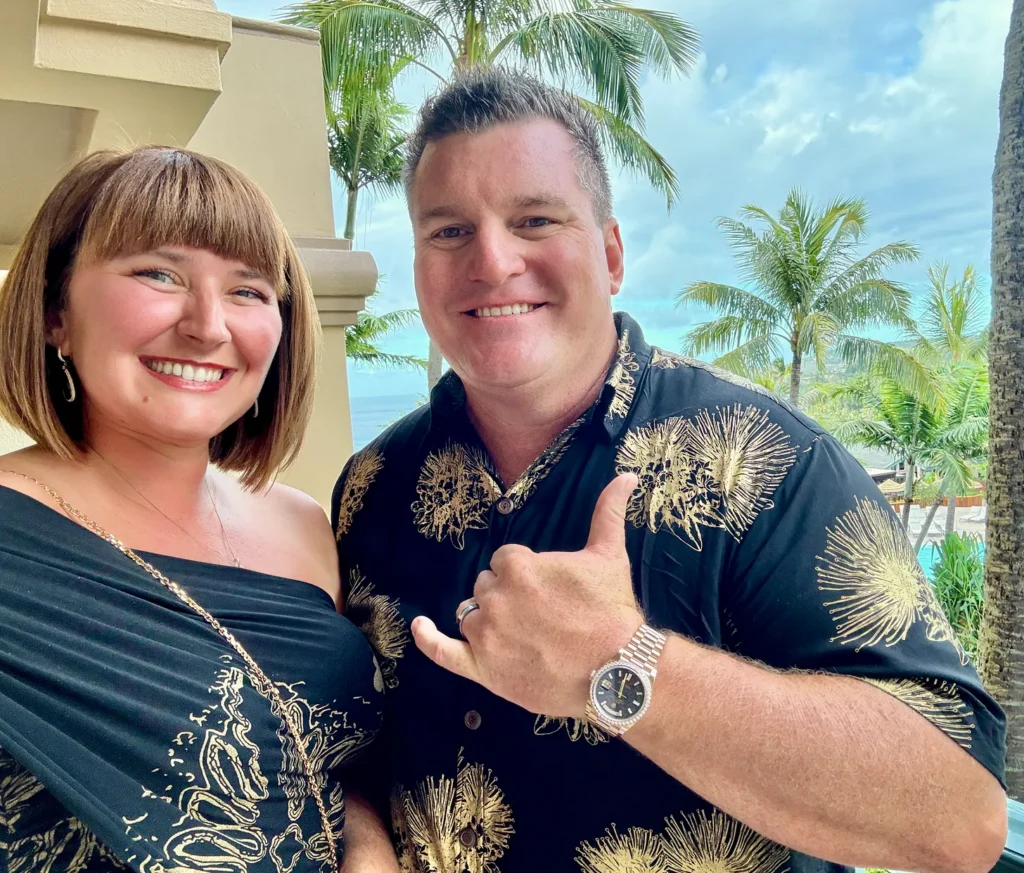
I work with buyers and owners at every stage of the vacation rental lifecycle.
As a 3rd. Generation Maui Born and Raised Realtor with Compass, I help clients evaluate and purchase vacation rental properties with a clear understanding of zoning, regulatory risk, rental revenue analysis, operating costs, and long-term resale considerations. Through our partnership with Maui Paradise Properties, our team provides full-service, white-glove vacation rental management built around asset protection, performance, and trust.
If you’re exploring ownership, considering a management change, or simply want a second opinion, I’m always happy to be a resource.