
Maui Vacation Rental Market Outlook 2026: What Buyers, Owners, and Investors Need to Know
The Maui vacation rental market continues to evolve rapidly as we move into 2026. Shifting regulations, visitor demand patterns, pricing dynamics, and buyer sentiment are reshaping how owners, investors, and property managers approach income-producing properties on the Valley Isle.
In this outlook, we break down the most important forces affecting the short-term rental (STR) market — including regulatory changes, market data, and strategic considerations that matter to owners and prospective buyers alike.
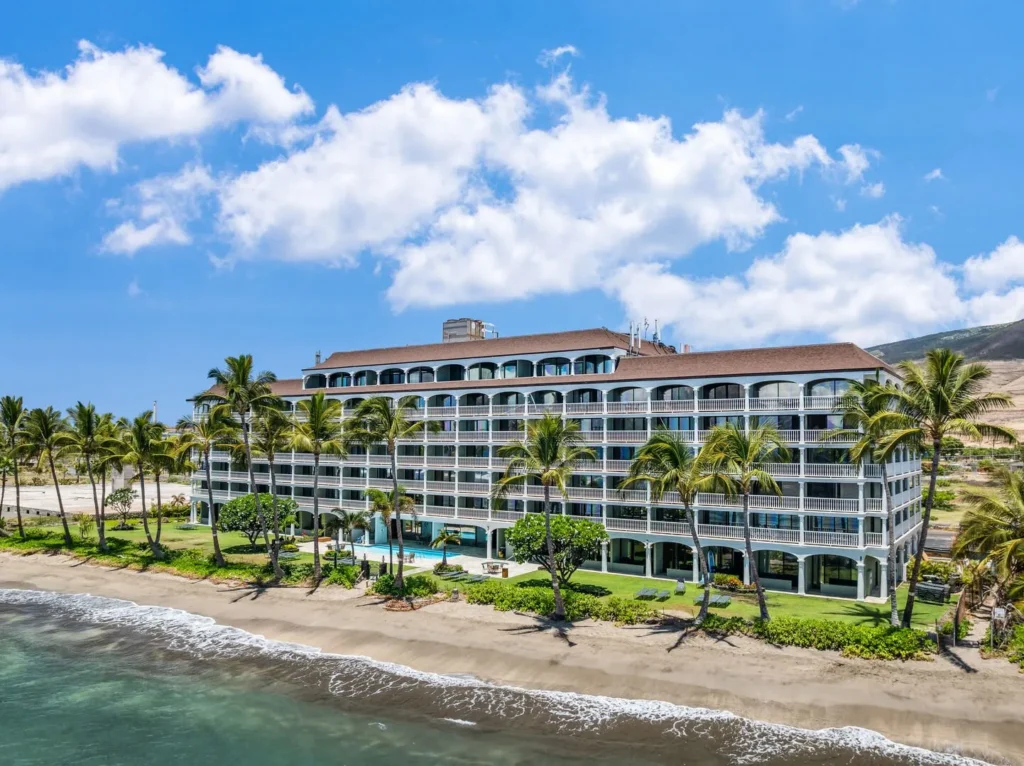
The Lahaina Shores Resort is one of my favorite Hotel Zoned Vacation Rental complexes in all of West Maui. The building is newly re-opened from the Aug.8, 2023 Lahaina Fires and is seeing a strong resurgence in visitor demand as well as savvy investors moving forward with new purchase. Maui Paradise Properties operates the majority of the vacation rentals at this resort and we have lots of “boots on the ground” insight we can share.
- Regulatory Shifts and Market Uncertainty
One of the most significant drivers of the 2026 market outlook is local policy change.
In late 2025, the Maui County Council advanced legislation known as Bill 9, aimed at phasing out or converting a substantial number of STR units in West and South Maui — particularly in apartment-zoned buildings — to long-term housing uses. The bill has moved through key hearings and, depending on final outcomes, could reshape the supply landscape over the next several years. Some of the latest news on Bill 9 here.
These regulatory shifts create both uncertainty and opportunity:
- Uncertainty in supply: When thousands of units face potential rezoning or conversion, investors and owners may delay decisions until the regulatory picture becomes clearer.
- Opportunity in hotel-zoned and compliant inventory: Units already in hotel or similar zoning districts, or those likely to be preserved under new frameworks, may maintain higher value due to relative scarcity.
Staying informed and proactive — especially regarding local policy — is essential for owners and buyers. Maintaining compliance with evolving rules helps protect asset values and ensures long-term operability. The best way to do so is to join the Hawaii Mid and Short Term Rental Alliance.
- Visitor Demand & Market Resilience
Despite political debate and regulatory complexity, visitor demand remains a foundational driver of the Maui vacation rental market.
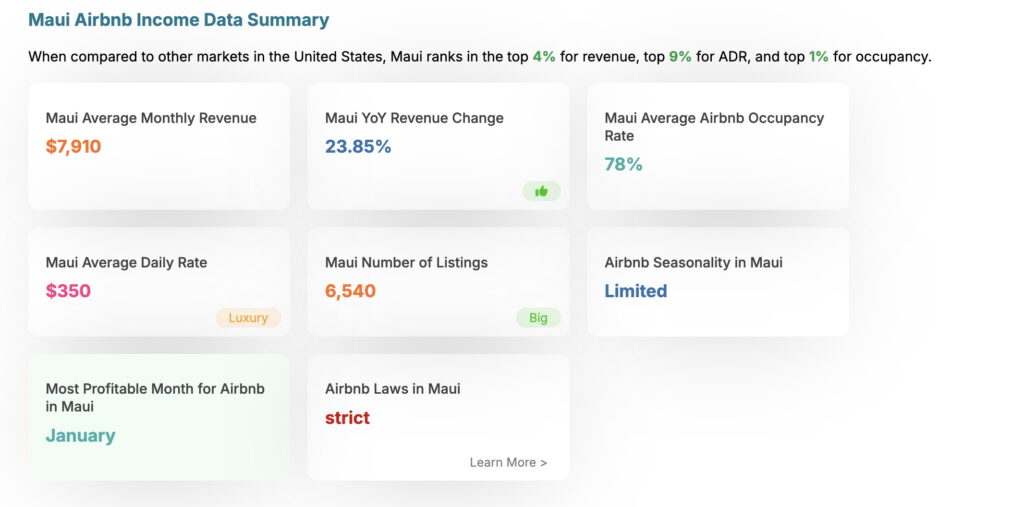
Recent industry trend data suggest that demand for Maui STRs has stayed comparatively strong when measured by occupancy and rate metrics — with some reports showing median occupancy in the 70-80% range and average daily rates rising compared to previous years.
At the same time, Maui’s status as a premier global destination continues to support the broader tourism economy. However, visitor booking behavior has become more selective, with demand influenced by pricing sensitivity, travel preferences, and overall economic context.
For owners, this means that while demand remains robust, performance outcomes will increasingly differentiate based on quality, pricing strategy, and compliance with evolving regulations.
Hawaii Vacation Rental Performance (State Data)
- Pricing Trends & Revenue Opportunities
Data from industry tracking platforms indicate that Maui vacation rental average daily rates (ADR) have improved relative to previous years — but the landscape is mixed:
- Some segments see ADR increases due to constrained supply and strong demand in resort zones.
- Other segments face more pressure due to regulatory uncertainty and market segmentation.From an investment perspective, professional revenue management — including dynamic pricing and segmented demand optimization — has become more important than ever. Owners should consider partnering with operators that leverage
Learn more about Maui rental ADR and occupancy trends here
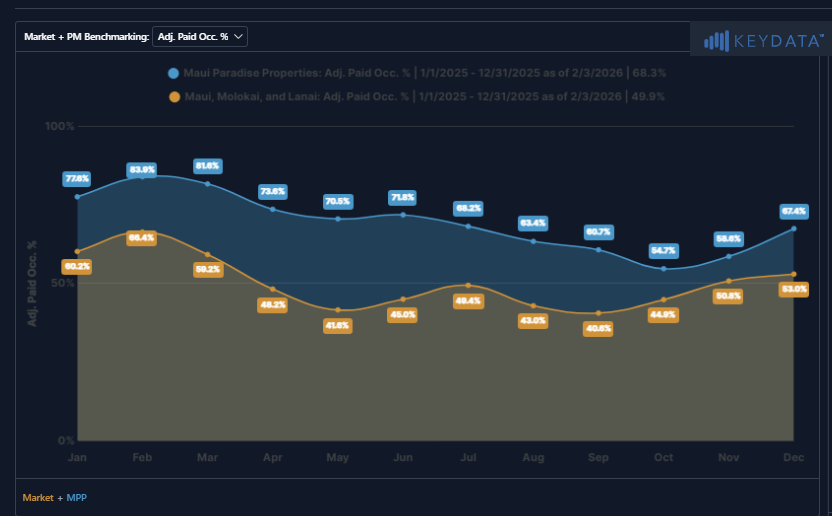
The blue line above represents the current paid occupancy percentage for Maui Paradise Properties and the orange indicates the Maui Market as a whole.
- Buyer & Owner Strategy: What This Means for You
For Current Owners- Review your property’s zoning status and how local legislation may affect it.
- Evaluate demand and rate trends for your specific resort area (Wailea, Kaanapali, Kihei, etc.).
- Consider revenue management tools and professional support to optimize occupancy, RevPar, and ADR.
For Prospective Buyers
- Understand that zoning and compliance are now core due diligence components for income-producing properties.
- Look for properties in areas less impacted by regulatory shifts or in districts where conversion is feasible.
- Factor potential market shifts and demand volatility into underwriting and cash-flow modeling.
Being proactive about long-range strategy — rather than reactive to market headlines — will help position buyers and owners for success.
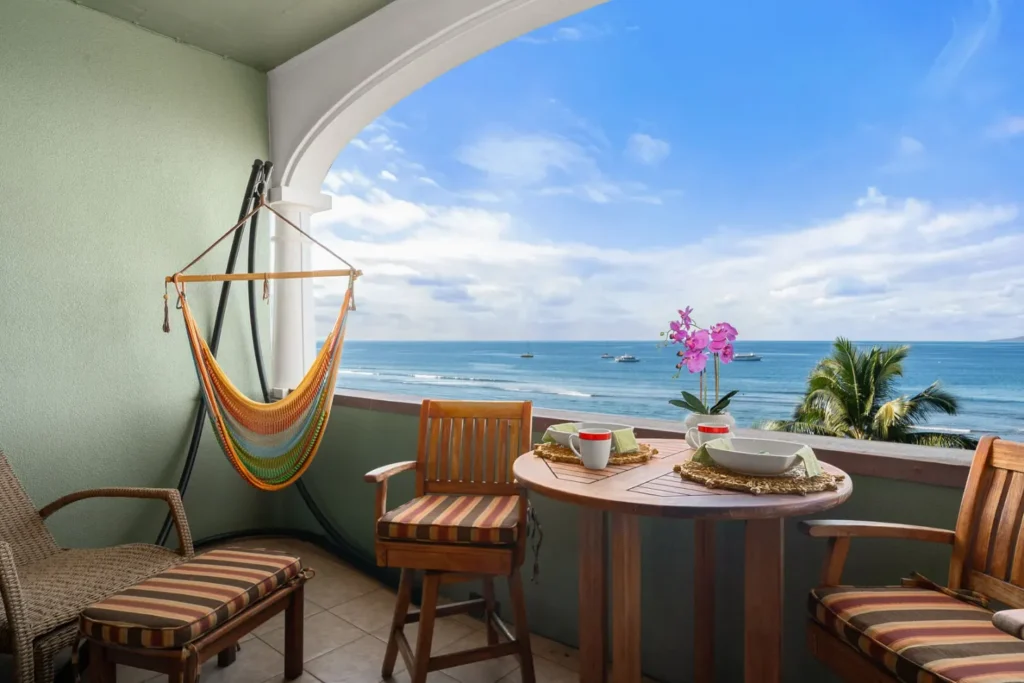
Lahaina Shores Penthouse #5 is pure eye candy and is one of my personal favorite MPP offerings at the resort.
- Macro & Market Context
While vacation rentals face island-specific regulatory pressure, broader economic considerations continue to shape the Maui real estate and vacation rental market:
- Home price dynamics and inventory availability affect buyer behavior and investment timing.
- Tourism recovery trajectories continue to influence occupancy and pricing across lodging segments.
- Regulatory changes (all the way to statewide tourism policy) remain among the most consequential variables for STR performance going forward.
Learn more about 2026 vacation rental trends and broader travel behavior here.
Conclusion: What Owners & Investors Should Do Next
The 2026 Maui vacation rental market is being shaped by a combination of regulatory changes, evolving visitor demand, and economic pressures. While the uncertainty around policy — especially in apartment-zoned STR segments — has created noise, fundamentals in popular zoning districts remain strong.
Whether you are an existing owner, an investor, or a prospective buyer, the key to success in this environment is informed, proactive decision-making.
If you’d like help navigating these trends — including property valuations, zoning risk analysis, or income projections — I’m happy to be a resource.
- What is the outlook for Maui vacation rentals in 2026?
The 2026 Maui vacation rental market is shaped by regulatory changes, especially Bill 9, along with continued visitor demand. While apartment-zoned short-term rentals face uncertainty, hotel-zoned and legally compliant properties remain attractive to buyers and investors due to constrained supply and ongoing tourism demand.
- How does Bill 9 affect Maui vacation rental owners?
Bill 9 proposes phasing out or converting certain apartment-zoned short-term rentals into long-term housing over time. Owners should verify their zoning classification and monitor county developments, as regulatory outcomes may directly affect future use, income, and resale value.
- Are hotel-zoned properties safer investments on Maui?
Generally, hotel-zoned properties carry less regulatory risk compared to apartment-zoned short-term rentals. Investors seeking long-term stability often prioritize hotel-zoned or legally protected inventory to reduce uncertainty related to potential zoning changes.
- Is Maui vacation rental demand still strong?
Yes. Maui remains a premier global travel destination, and demand for vacation rentals continues in key resort areas such as Wailea and Kaanapali. However, performance varies by property quality, location, pricing strategy, and compliance status.
- What occupancy rates can Maui vacation rental owners expect?
Occupancy varies by season and property type, but well-managed, properly priced properties in strong resort locations may average 70–80% annual occupancy. Luxury properties often operate at lower occupancy by choice while maintaining higher nightly rates.
- How are Maui vacation rental prices trending?
Pricing trends are mixed. Regulatory uncertainty has placed significant pressure on apartment-zoned properties, while hotel-zoned properties have demonstrated stronger relative stability due to constrained supply and ongoing buyer interest.
- What should buyers look for when purchasing a Maui vacation rental?
Buyers should focus on:
-
Zoning classification
-
Regulatory compliance history
-
HOA restrictions
-
Historical rental income
-
Market demand for the specific location
-
Long-term exit strategy
Professional underwriting and zoning analysis are critical.
-
- Is Maui vacation rental ownership still a good investment?
Maui vacation rentals can be a strong long-term investment when properly underwritten and professionally managed. However, regulatory awareness and asset protection strategies are more important now than ever.
- How does regulation impact property values in Maui?
When regulatory risk increases, buyer hesitation may impact values — especially for apartment-zoned STR properties. Conversely, legally secure inventory may benefit from supply constraints.
- What is the biggest risk facing Maui vacation rental investors today?
The primary risk is regulatory uncertainty. Owners and buyers must understand zoning, proposed legislation, and long-term county housing plans before making decisions.
- How important is professional property management in this environment?
Now more than ever, the professional management of your asset matters. Professional management helps ensure regulatory compliance, optimized revenue strategy, proactive maintenance, guest quality control, and asset protection — particularly for off-island owners.
- Should I sell my Maui vacation rental due to Bill 9?
This depends on zoning classification, financial position, and risk tolerance. Some owners are choosing to hold hotel-zoned assets long-term, while others in apartment-zoned segments are reassessing strategy. A personalized valuation and regulatory analysis is recommended.
About the Author

I work with buyers and owners at every stage of the vacation rental lifecycle.
As a 3rd. Generation Maui Born and Raised Realtor with Compass, I help clients evaluate and purchase vacation rental properties with a clear understanding of zoning, regulatory risk, rental revenue analysis, operating costs, and long-term resale considerations. Through our partnership with Maui Paradise Properties, our team provides full-service, white-glove vacation rental management built around asset protection, performance, and trust.
If you’re exploring ownership, considering a management change, or simply want a second opinion, I’m always happy to be a resource.